Buying · Style
Modern wall art, and which modern you mean.
“Modern” is doing three jobs at once in most searches, and they point at completely different pictures.
Three things called modern
- Modernism — the art movement, roughly 1860 to 1970. Mondrian, Matisse, Rothko. If this is what you mean, you are after prints of existing works, not new art.
- Mid-century modern — a specific design period, 1945 to 1965. Flat geometric shapes, hard edges, a particular palette of mustard, teal, burnt orange and walnut. Narrow and recognisable. There is a whole page on what that palette actually was.
- Contemporary — art being made now, for rooms as they are now. This is what most people searching “modern wall art” actually want: clean, uncluttered, not fussy, not traditional.
What contemporary looks like in practice
Generous negative space. A restricted palette — three or four colours, rarely more. Soft or hard-edged abstract forms rather than representational scenes. Matte finish rather than gloss. No ornate frame; a thin oak or black surround, or none.
The common thread is restraint. A contemporary print is usually doing less than a traditional one, and the room is what fills the gap.
Why it is the easy choice
Abstract, uncluttered art has no subject to argue with the room. A landscape has a horizon and a mood; a botanical illustration has an era attached to it; an abstract in the right three colours simply sits there and works. That is why it is the most forgiving thing to buy for a room you have not finished decorating — the reasoning is on the abstract page.
The one thing contemporary art still gets wrong is scale. Restraint at the wrong size reads as emptiness. See large wall art for the sizing.
From the collection
Drawn for Artsby and printed in Australia on heavyweight matte poster paper, delivery included.
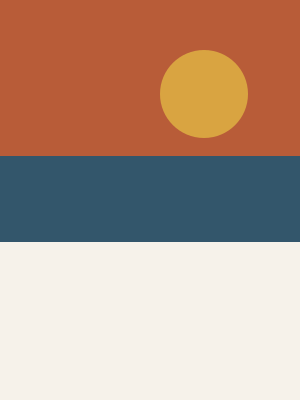 Field No.2 — Colour field
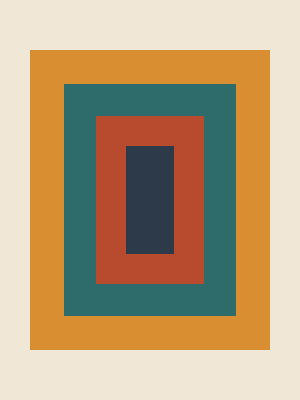 Nested No.5 — Mid-century
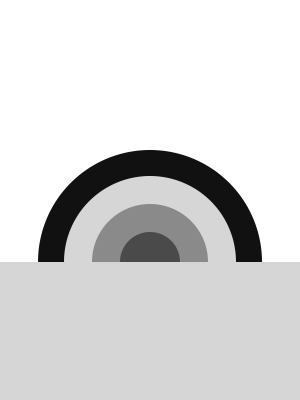 Arc No.1 — Monochrome
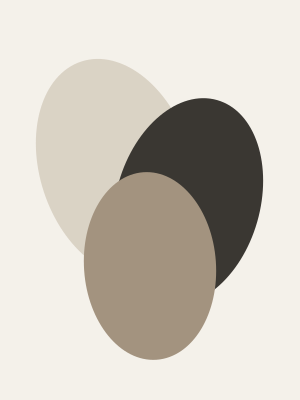 Petal No.3 — Stone and ink
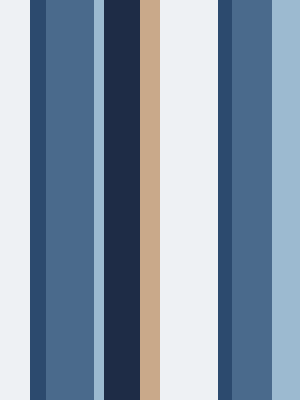 Column No.4 — Denim
 Ridge No.6 — Deep and moody
The shop isn't open yet. Prints are made to order by an Australian printer and the catalogue is being finalised — match your room in the meantime and we'll have something in your colours.
Start from your own room instead
Photograph the wall. The matcher reads the real colours out of the photo, shows you prints in those colours, and lets you hang one on your own wall before you decide.